
Miller's Tale
Girls, mind you, don’t misunderstand; they don’t run away, but sometimes they disappear.

Roses grow here without care or reason, their stems weaving together in a patient red tangle which outlived fences, footpaths, and names. Petals fall often, though no one ever catches the moment they let go. The villagers say the roses keep the ground gentle; they also said god help us all when the roses don’t grow.
In Miller’s Town, even the heaviest boots learn to land softly. Carts leave no ruts and graves do not sink the way they should because the ground refuses to press down on the dead.
It’s a pretty town; picturesque. Roses stretch along old boundary lines, around foundations of houses older than them. They climb the stones of the chapel and creep beneath its doors. No one trims them, it’s confusing the roots, and god help us all when the roses don’t grow.
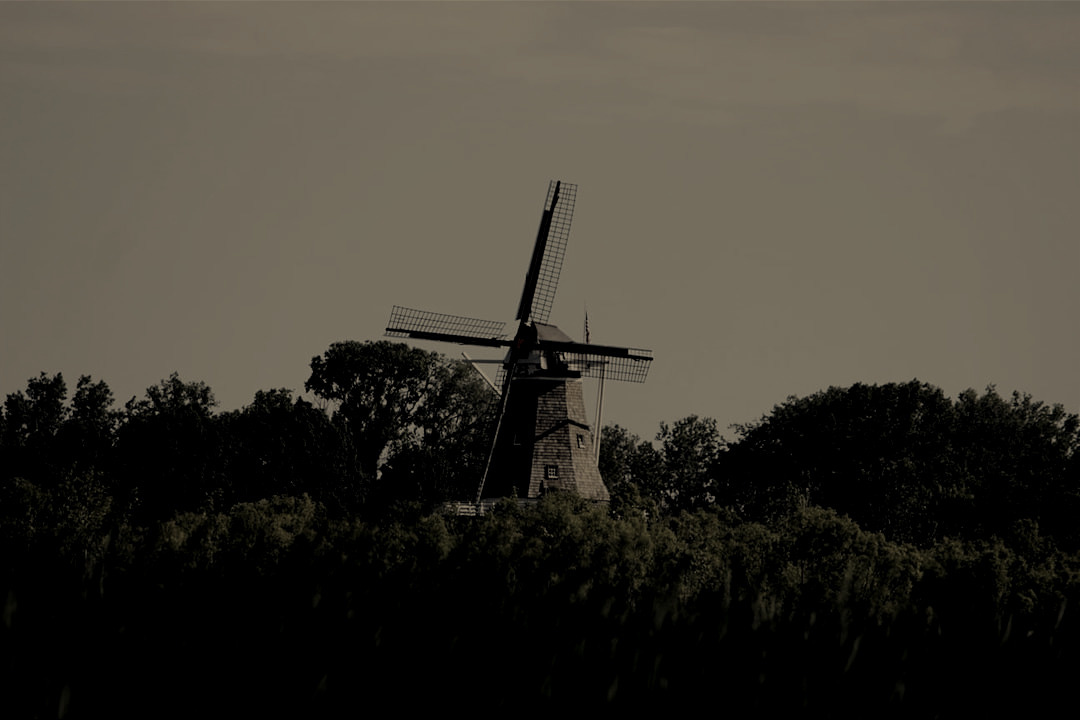
Beyond the village, where the paths grow uncertain, the mill towers beside the stream. Its wheel slick with age, dark from years of endless turning, cycles started and ended, and now it shines like bone. Picturesque; lush green, brightly coloured roses, dark water. Worthy of instagram, pinterest, wedding inspo—you name it.
The Villagers don’t like to point out the mill. Boys and men sometimes need a reminder or two, but girls always notice it immediately. They slow there, their hands trailing the stone walls, their skirts catching on thorns, scraping skin.
The girls who dwell there for too long want to see what’s past the town, past the mill and the roses. Not because they hate it here, but because gentleness grows heavy after a while. To stand too long on soft ground is to forget what a challenge feels like. But a challenge it is; to be a girl.
Girls, mind you, don’t misunderstand; they don’t run away, but sometimes they disappear. And mothers can only watch their daughters gather roses at the edges of fields, their fingers careful, their mouths quiet, their heads loud and full.
Walking away isn’t easy, it matters which roses are chosen. The pale ones bruise too easily, you can’t pluck them, can’t cut them; it confuses the roots. The darkest hold their colour but never their shape, petals falling like hair in sorrow. The only ones safe to pick are the the ones you are afraid of. They bruise you even when you beg them to stop, they etch themselves into your palm, draw thin, bright lines across your skin…
It stings longer than it bleeds. But girls learn not to mind. There is a saying that girls who can see the mill can not be saved. But all girls see the mill, so no girl can be saved. Tough times, but that’s why it’s a challenge; being a girl.
In years where many girls disappear, the roses are generous. They climb higher, flower longer, spill themselves into every hollow and scar of the land. The petals fall thick; thick enough to soften grief. Weddings are full of colour; the air smells sweet, every breeze carries petals. It’s playful and good and soft.
In years when fewer girls vanish, when the mill holds no charm, when it steals a glance or two of them but nothing more, the roses grow sparingly. Buds tighten and refuse to open. Thorns show themselves earlier and sharper. They aren’t forgiving; will rip a skirt, leave a scar on your skin if you’re unfortunate enough to get caught.
The roses are the only warning for when the mill hungers. And god help us all when the roses don’t grow. They thicken where paths fork. They lean towards windows at night, their scent drifting inward, sweet enough to trouble sleep. In the morning, hands bear scratches they don’t remember earning, and petals rest beneath their nails.
When the mill hungers, a door creaks open, and the miller comes to town. The miller, by what is known, isn’t a stranger. He’s been here long before anyone else. Men greet him with a smile; with tipped hats. They see a lanky, oddly broad figure, shoulders thick from years of work. Boys eye him with smirks and grimaces. Women do not look at him directly.
And girls can’t help themselves; they see the miller, even if they would rather not. Even when they try really hard not to look, they spot him in glass and polished metal, in the dull sheen of water in the sink.
There’s always a night where he roses do not close. Where they creep higher along the walls, rap at the shutters, press their faces to the glass, break through blinds, and wind their ways into the beds.
Give me roses, clean and white,
For what wanders hates the light.
Petal, thorn, and tender skin,
Let the careful work begin.
Children wake up murmuring it. Mothers find themselves humming along as they work, but the men can’t hear it. They only hear themselves, see themselves, and when they see the miller, they don’t see that the roses bow their heads. They don’t see him pause at houses with daughters of a certain age; he’s admiring the roses, silly. Clearly.
When the miller comes to town, there’s always girls missing. Houses stand empty of laughter, the roses along the thresholds thick and newly bloomed, petals darker than ever. With freshness, the men say. And mothers say nothing at all.
All girls see the mill, so no girl can be saved. Tough times, but that’s why it’s a challenge; being a girl. There’s one girl who ran. Made it as far as the chapel steps before the ground betrayed her. The roses there were thick here too, their petals slick beneath her feet. She fell hard enough for her skin to bruise, for her breath to be knocked out of her lungs. She screamed but no one came, because men heard laughter and laughed with her, and the women turned, relieved it wasn’t their daughter or sister.
The miller did not touch her when he arrived at her side, knelt down and kindly pulled her up, but it was know that he would later. He spoke quietly, so quietly that only she heard him. And when she went with him, she was smiling, and the roses bowed to her, too.
That’s what the women say. The men say nothing at all.
By the end of the week, after the incident, the village was gentle again. Of the girls who disappeared, it was said they had wanted it. That they wanted too much, that they had gone willingly, that it was their fault. The girl who ran, though? No one ever mentioned her again. It’s a challenge to be a girl, and girls always notice the mill, so no girl can be saved.
When a child asks where the girls go, it is told they had found what they were looking for. Trouble, consequences; because it’s their fault. The girls who can’t help but notice the mill. They should do it like the men; they should notice it not at all; never.
On certain evenings, when the roses are thickest and the air is heavy with their smell, a soft melodie drifts through the village. Children pause in their games, mothers still their hands and swallow their hearts. And men hear nothing at all.
The tune rocks itself back and forth through the village.
Hush now, don’t you pull away,
roots know where they need to stay.
Bodies warm, a tear falls down,
mine to keep until we’re done.
Skin soft ‘till all light is gone,
still my garden’s missing one.
That is a fine story, wonderfully written, thank you.
There are a couple of corrections you may wish to make:
There’s always a night where he roses do not close. he > the
The miller did not touch her when he arrived at her side, knelt down and kindly pulled her up, but it was know that he would later. know > known
Once a proofreader, always a proofreader.
your writing here is so poignant and eerie. i love the use of repeating images and statements, like the girls always seeing the mill and therefore cannot be saved. this was dark. it’s saying something about girlhood that many people would rather look away from (both men & women); that it’s brutal, that some of us get trapped forever. it also speaks to our scariest dreams as women. evocative and powerfully written.